
#229: Almost to the Shipping Point of Shipping

This week, we’re talking about getting work out the door, and some of the difficulties that can arise around trying to figure out how and why to make the changes necessary to do it. Sometimes the best thing you can do is to take a step back from the thinking and the strategizing and just make. Also, we discuss the Documerica project and how differently a similar project might look today. Jacob Riis is our Photographer of the Week.
On Taking Pictures – Google+ – Assignment: #remembrance
Featured Coffee Shops — AMERICANO MONDAYS
Famous BTS Magazine™ (@famousbtsmagazine) • Instagram photos and videos
INHERIT THE DUST : Behind The Scenes, by NICK BRANDT on Vimeo
9/19 Bill’s Talk at the Park West Camera Club
Mark Rothko – Wikipedia, the free encyclopedia
DOCUMERICA: Images of America in Crisis in the 1970s – The Atlantic
Pentax 645z DNG File from Bill
Why the iPhone 7’s camera is ‘the best smartphone camera ever’ | BGR
Getty Images Asks Judge to Throw Out $1 Billion Copyright Lawsuit
Sally Mann – September 22 – October 29, 2016 – Gagosian Gallery
Jacob Riis – Wikipedia, the free encyclopedia
How the Other Half Lives: Photographs of NYC’s Underbelly in the 1890s
Jacob A. Riis’s New York – Slide Show – NYTimes.com
Jacob Riis: Shedding Light On NYC’s ‘Other Half’ : NPR
Lewis Hine – Wikipedia, the free encyclopedia
#228: The Giant Pachinko Game in the Sky

This week, we’re doing another Q&A show and, as usual, you all sent in some terrific questions that we had a great time going through. Topics include: how often to update your website, whether or not to shoot DNG, how to get more engaging street shots, whether or not to print in-house and a bunch more. Marc Riboud is our Photographer of the Week.
On Taking Pictures – Google+ – Assignment: #dailylife
The Biggest Lies You’ve Been Told About Photography — CJ Chilvers
Nucis Leather – from photographers to photographers
Aperture Magazine Anthology – Aperture Foundation
[NEW] Panasonic LUMIX GX7 Shooting Impression by Ian Berry (MAGNUM PHOTOS) – YouTube
Classic Tootsie Roll Commercial – “How Many Licks” – YouTube
Marc Riboud, Photojournalist Who Found Grace in the Turbulent, Dies at 93 – The New York Times
Acclaimed Photographer Marc Riboud – A Film by Phil Putnam Spencer – YouTube
Marc Riboud – Photographer Technique & Process – YouTube
#227: Psychologize That Up The Wazoo

This week, a discussion around photojournalism inspired by the Netflix series Conflict that raises a few questions for us to chew on. Would you ever put yourself in harm’s way for a photograph? If you already do, why? Is it for the photograph or the thrill of the shoot? Or some combination of both? Is a photograph more valuable than the life that is potentially lost capturing it? Also, does taking photos at important or milestone events enhance or take away from your ability to enjoy/remember said event? Plus, a teaser for next week in the show notes: what do you see when you look at art? Richard Tuschman is our Photographer of the Week.
On Taking Pictures – Google+ – Assignment: #cliche
The Fallen of World War II on Vimeo
Wow! signal – Wikipedia, the free encyclopedia
Turtles all the way down – Wikipedia, the free encyclopedia
Matt Damon impersonates Matthew McConaughey – YouTube
Hey Dude – Wikipedia, the free encyclopedia
Take a Picture, You’ll Enjoy It More
Cross Bronx Expressway – Wikipedia, the free encyclopedia
DOCUMERICA: Images of America in Crisis in the 1970s – The Atlantic
Freedom Train – Wikipedia, the free encyclopedia
An Interview with Richard Tuschman, the Photographer Behind ‘Hopper Meditations’
Hopper Meditations – Photographs and text by Richard Tuschman | LensCulture
Once Upon A Time In Kazimierz Promo on Vimeo
Richard Tuschman (@richardtuschman) • Instagram photos and videos
#226: You Want The Pixie Dust

This week, we discuss the magic of things and the legacy of genius. Is Winogrand’s camera, Clapton’s Stratocaster, Picasso’s brush or Hemingway’s typewriter somehow imbued with greatness? In choosing the same tools as our heroes, do we secretly (or not so secretly) hope that a bit of their magic will rub off on us? Photojournalist Nicole Tung is our Photographer of the Week.
On Taking Pictures – Google+ – Assignment: #FoundArt
G.E. Smith Jams on the Guitar That Killed Folk! – YouTube
Episode 07 :: Revisionist History Podcast
Bruce Springsteen – Wings For Wheels – The Making of Born To Run -2005 – YouTube
Busker by Gonzalo Silva on Apple Music
Episode 10 :: Revisionist History Podcast
usain-bolt-sourire-photo-rio-2016.jpg (1200×800)
Nicole Tung (@nicoletung6) | Twitter
Fellow Photojournalist Nicole Tung Remembers James Foley : NPR
Nicole Tung: Covering Conflict | Annenberg Space for Photography
#225: The Megapixel List of Life
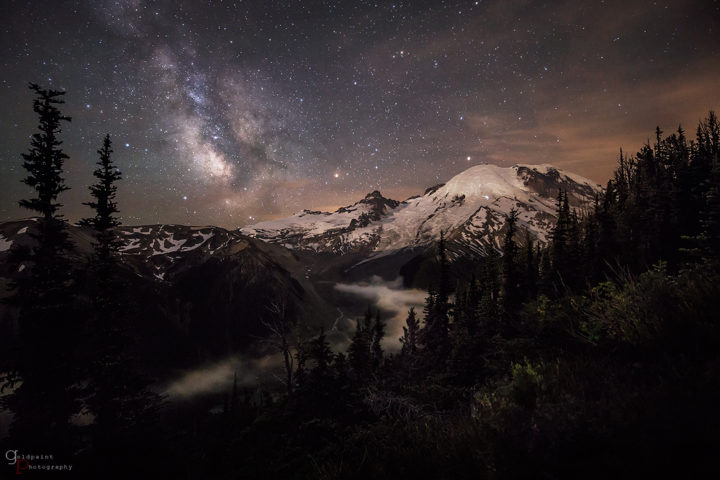
This week, a discussion around printing (spoiler: be sure to use the correct profiles) leads to the start of a larger discussion around the perceived value of signatures. Do you sign your prints? If so, why? If you don’t, why not? Also, looking for the one camera that does everything—even the things you don’t currently need it to do—is a fool’s errand. Better to look for the right tool for the job at hand and let the future sort itself out. Brad Goldpaint is our Photographer of the Week.
On Taking Pictures – Google+ – Assignment: #profile
Red River Paper – San Gabriel Semigloss Fiber Review : On Taking Pictures
The Genius of Photography – YouTube
Robert Rauschenberg. Rebus. 1955 | MoMA
Reconcilable Differences – Relay FM
Glossolalia – Wikipedia, the free encyclopedia
Nan Goldin Wants You to Know She Didn’t Invent Instagram – The New York Times
Paint and Switch? Did Alec Baldwin Pay $190,000 for the Wrong Picture?
Making a splash in Rio: Robots snap underwater shots at Olympics
Making a splash in Rio: Robots snap underwater shots at Olympics – CNET – Page 6
Bill Cunningham’s Photo Rights Valued at $1 Million, 25% of His Net Worth
Brooks Institute Closes After 70 Years of Photo Education
Hawk – Buck Rogers in the 25th Century Wiki – Wikia
The Night Sky – Goldpaint Photography
TimeScapes: Timelapse Movie & Time-Lapse Forum
#224: Blink Decision

This week, a discussion around the work and process of iconic Japanese photographer Daido Moriyama — specifically around the value of revisiting a place in order to refine your vision of it and how details often emerge through repetition. Also, how much time should you devote to your website? What are some “must have” features? Plus, do six-year-olds need to know about Daguerre? Eve Arnold is our Photographer of the Week.
On Taking Pictures – Google+ – Assignment: #park
MORIYAMA DAIDO – NEAR EQUAL on YouTube
Robbed Olympics Photographer Spots Thief Posing as Him in Venue
Bad Words (film) – Wikipedia, the free encyclopedia
Historic Photos Mark 150th Birthday of Pioneering Black Explorer
Horrific Satellite Images of Texas Feedlots – Feature Shoot
Kyle Lambert – Stranger Things – Netflix Poster Artwork
Eve Arnold – Wikipedia, the free encyclopedia
Eve Arnold’s Life Re-Examined Through Her Photographs | TIME
Magnum Photos Photographer Portfolio
eve-arnold-joan-crawford-lose-angeles-1959.jpg (500×700)
#223: Driving Backwards is a Bad Idea
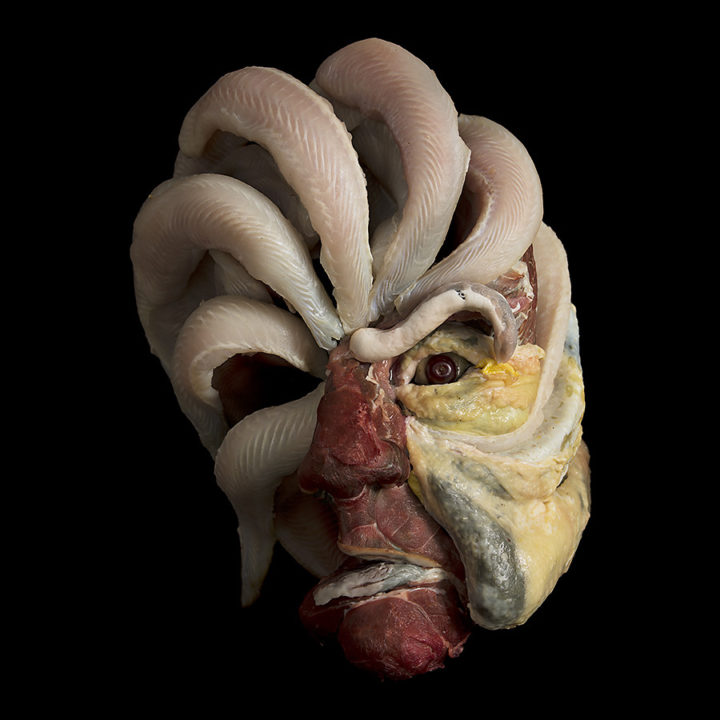
This week, how do you know if you’re close to the target if the target hasn’t been clearly defined? We discuss the difficulty in embarking on a journey (creative or otherwise) without at least a direction. How to you calibrate your creative compass when there is no true North? Also, next week we’re talking about the work and process of Daido Moriyama, using a video in this week’s show notes as a reference. Plus, who was the nineteenth century’s most photographed individual? The answer may surprise you. Klaus Enrique is our Photographer of the Week.
On Taking Pictures – Google+ – Assignment: #rooftops
Benny Mardones (Into The Night) – YouTube
Moment – World’s Best Lenses, Case, and App for Mobile Photography
Shorpy Historic Picture Archive | Old Photos & Fine Art Prints
Photographer Sues Getty for $1B for Copyright Infringement | Digital Trends
Official 2016 DNC Photo Was Shot with a 100-Year-Old Camera
Frederick Douglass the most-photographed American of the 19th century | Daily Mail Online
“Picturing Frederick Douglass” on Amazon
Daido Moriyama: In Pictures – YouTube
MORIYAMA DAIDO ?NEAR EQUAL?????????????? – YouTube
Klaus Enrique Recreates Arcimboldo’s 400 Year Old Organic Portraits – Beautiful/Decay
See Faces in Food with Klaus Enrique’s New Portraits [Exclusive] | The Creators Project
#222: Form of Stupidity, Shape of an Idiot

This week, a couple books about Saul Leiter show that great photography is not always about per pixel sharpness and bright, saturate color. The problem is, when do you know when it is and when it isn’t? Can a photographic style be plotted like a course on a map, or does it only happen in the rear view mirror? Also, video seems to be the “it” factor for much of the photography industry, but is it worth it, when you consider the gear, the time and the ability required to really do it well? Arthur Tress is our Photographer of the Week.
On Taking Pictures – Google+ – Assignment: #panoramic
Saul Leiter: Early Black & White
Diane Arbus: In the Beginning | The Metropolitan Museum of Art
The Met Breuer’s Diane Arbus Exhibition Is a Tour de Force | Village Voice
The Fog of War – Wikipedia, the free encyclopedia
John Hurt by Alfred Dunhill – YouTube
MOST AMAZING DANCE MOVE – “THE LEAN” – with ROBERT HOFFMAN – YouTube
Stephen Shore – Wikipedia, the free encyclopedia
Stephen Shore (@stephen.shore) • Instagram photos and videos
Paul C. Buff – AlienBees DigiBee DB400
Arthur Tress – Wikipedia, the free encyclopedia
Tresspassing: American Photographer Arthur Tress on Vimeo
#221: All the Salt in the World

This week, we talk about getting out of your own way and recognize that giving up control doesn’t mean giving up the wheel. Also, we discuss a fascinating article on Chuck Close and what we sometimes leave on the studio floor in the name of art. Plus, photojournalist Ed Kashi is our Photographer of the Week.
Serenity Prayer – Wikipedia, the free encyclopedia
Tony Robbins: I Am Not Your Guru (2016) – IMDb
The Mysterious Metamorphosis of Chuck Close – The New York Times
Richard Serra – Wikipedia, the free encyclopedia
Painting With Pixels (O’ Brother, Where Art Thou) – YouTube
Affinity Photo – Professional image editing software for Mac
Russian Images of Malaysia Airlines Flight 17 Were Altered, Report Finds – NYTimes.com
Tinkertown Museum – New Mexico’s Premier Folk Art Environment
The Unspoken Consequences of a Photojournalist’s Life | TIME
East Village — Red Hook Lobster Pound
Diane Arbus: In the Beginning | The Metropolitan Museum of Art
#220: They Want Paul Bunyan
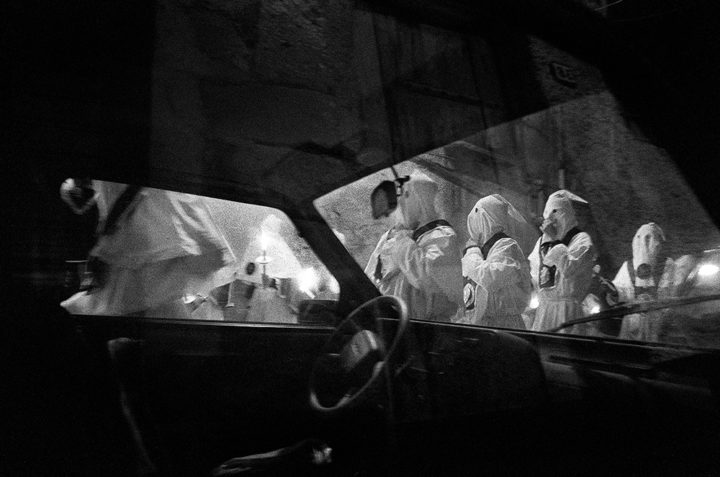
This week, we’re taking a look at the fact vs. the possible fiction around the myth of famed photojournalist Robert Capa — specifically, the photographs of the D-Day invasion in WWII. Also, a discussion around gear. What do you do when the camera is the limitation, not your vision, and you’re trying to decide whether or not you’re “pro” enough to justify a major upgrade? How much should passion play into the equation? Daniel Milnor is our Photographer of the Week.
On Taking Pictures – Google+ – Assignment: #forgotten
Malcolm Gladwell: Choice, happiness and spaghetti sauce | TED Talk | TED.com
Hyperfocal distance – Wikipedia, the free encyclopedia
Robert Capa – Wikipedia, the free encyclopedia
Robert Capa on D-Day « Photocritic International
Robert Capa’s Iconic D-Day Photo of a Soldier in the Surf | TIME
Guest Post 12: Rob McElroy on Robert Capa « Photocritic International
Alternate History: Robert Capa on D-Day (3) « Photocritic International
Paul Bunyan – Wikipedia, the free encyclopedia
July 10, 2016 — Cyclones Triple Play – YouTube
Peter Doig – Wikipedia, the free encyclopedia
The Last Known Roll of Kodak Film From 1888 – The Atlantic
On Taking Pictures #88: Didn’t You Hear My Inner Monologue? : On Taking Pictures
Daniel Milnor: Photographing On His Own Terms – The Leica Camera Blog
Documentary Photography: Tips & Advice by Daniel Milnor – YouTube
 Subscribe on iTunes
 Podcast RSS Feed