#219: Bell Curve of Adoption

1-u1G-o-FTzjZnEVV5EzJEqw

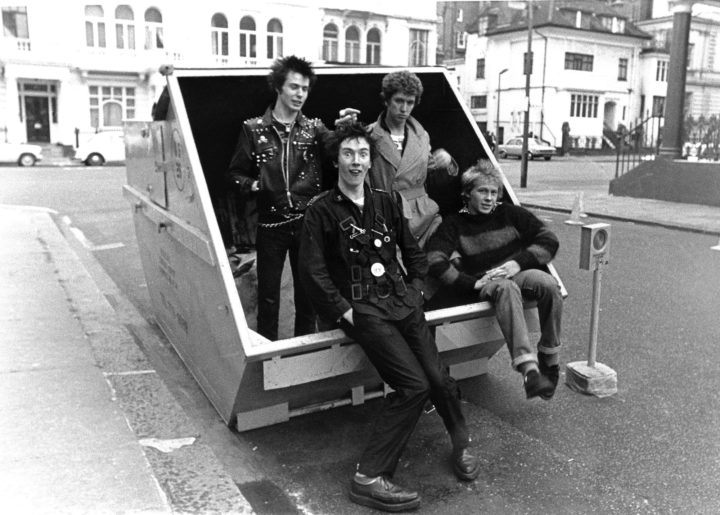
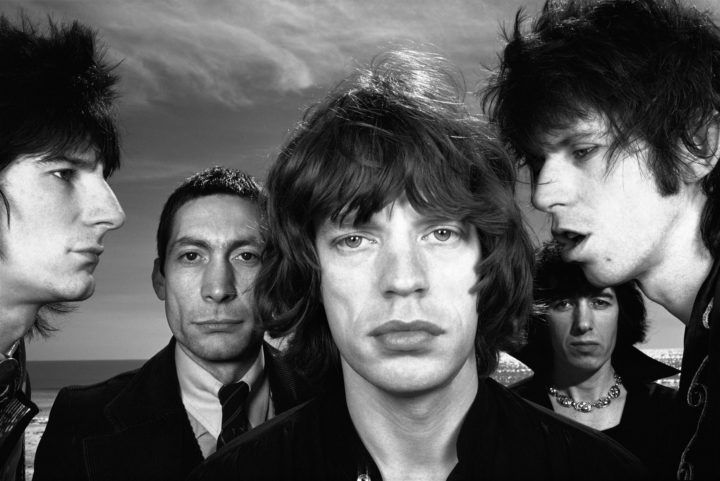
This week, an article in the New York Times about Richard Avedon’s project “In the American West” has us discussing legacy. Who really owns your work after you’ve gone? Also, can you overshoot your own “creative sweet spot” only to end up in uncharted waters? We use the work of fantastic painter Andrew Salgado as an example. Plus, when do you give in to technology, even if it means changing a workflow that has worked for years? Janette Beckman is our Photographer of the Week.

Dia Art Foundation – Wikipedia, the free encyclopedia

Robert Irwin: All the Rules Will Change – Hirshhorn Museum and Sculpture Garden

Avedon, Unsigned – The New York Times

Avedon on the App Store

Andrew Salgado

Storytelling on Vimeo

David Korty Example #1

David Korty Example #2

Janette Beckman – Photographer

Janette Beckman – Wikipedia, the free encyclopedia

Leon Bridges (@leonbridgesofficial) • Instagram photos and videos

#218: Moon Rocks Down Here Cost a Lot of Money

#217: A Plus B Equals Jello

#216: Unintentionally Intentional

Jim_Brandenburg_Arctic_Wolves_M

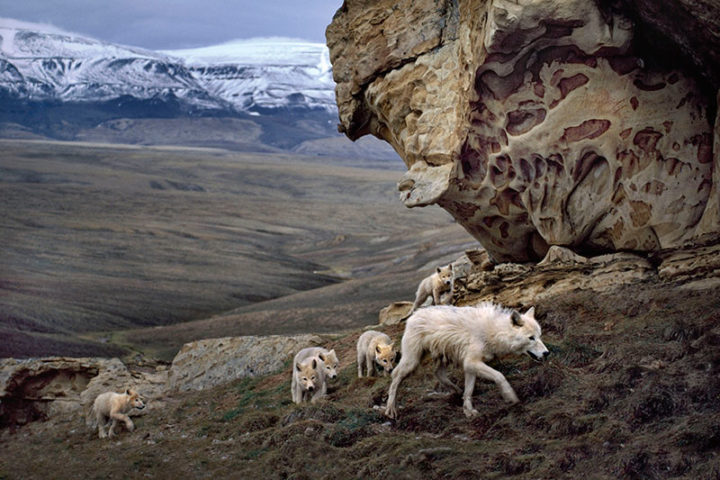
This week, are 10,000 hours alone really enough to be great at anything? Maybe, but the real answer is likely more nuanced. Experience does not necessarily equal expertise. Intent and purpose — not to mention innate ability — also play a role in chasing perfection. Plus, can analog tools make digital processing more efficient? Jim Brandenburg is our Photographer of the Week.

On Taking Pictures – Google+ – Assignment: #community

10,000 hours to become an expert? Sorry, that number is off. / Boing Boing

The Right Way to Practice

Palette Gear: Hands-on Control of your Favourite Software

Jim Brandenburg Gallery

Jim Brandenburg

Chased by the Light A Photographic Journey with Jim Brandenburg – YouTube

The Donut Pub

#215: Don’t Trust Experts

230017_mediamedium

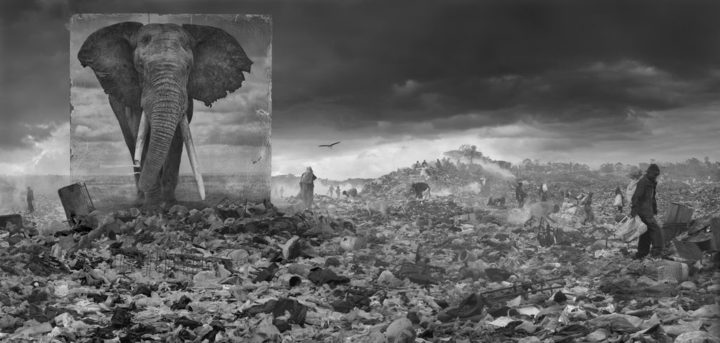
This week, a discussion around the work of painter Jeremy Mann, via the documentary A Solitary Mann by Loic Zimmermann. How much does happenstance figure into your creative output? Is your current style intentional or the result of a “happy accident” that you now continue to refine? The recent killing of an NPR photojournalist in Afghanistan sparks a conversation around photojournalism and the multiple areas where importance figures into making. Plus, remembering Muhammad Ali through the incredible photographs of his life and career. Nick Brandt is our Photographer of the Week.

On Taking Pictures – Google+ – Assignment: #dirty

a Solitary Mann_trailer on Vimeo

Derren Brown – Svengali Speed Painting Effect – YouTube

Official Website Of Syd Mead 2015

Syd Mead, Still Designing The Future After 50 Years : NPR

Gerhard Richter | artnet

HBO: Documentaries | Witness: Juarez | Home

David Gilkey – Photographing Haiti – YouTube

’70s High School Art Project Mistakenly Valued At $50K On ‘Antiques Roadshow’ : The Two-Way : NPR

Muhammad Ali was the greatest in one of sports’ most iconic photos, too – The Washington Post

The King and I: Neil Leifer on Photographing Muhammad Ali | GQ

Muhammad Ali, 1966/1970 – Archive – The Gordon Parks Foundation

Muhammad Ali: SI’s 100 Greatest Photos of The Greatest

2014 Samsung Flexible OLED Display Phone and Tab Concept – YouTube

Muhammad Ali, 1966/1970 – Archive – The Gordon Parks Foundation

ROBB KENDRICK

Nick Brandt: Photography

NICK BRANDT | Inherit the Dust: Nick Brandt Photographs

Nick Brandt: Photography

Look3 Conference

Ask Bill & Dan Episode 15

#214: The Oxygen and the Spark

#213: You’re Not About the Craft If You Use Laser Triggers

#212: Audience Inflation

#211: I Do Wanna Be A Person Eating Pancakes!

6a00df351e888f88340112796e067828a4-800wi


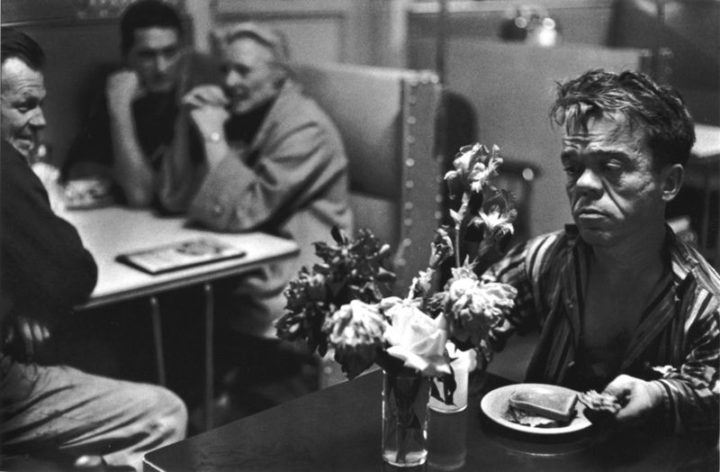
This week, we talk about the continuing evolution of photography from the perspective of seeing how genres are blending into one another and how so much of contemporary photography can fall under “lifestyle.” Also, two sides of a Photoshop discussion around retouching — one from the point of view of a model and the other from an icon of photojournalism. Plus, how do you feel about narrative in photography? Do you want to be told what a photo or body of work means, or do you prefer assigning your own narrative and/or backstory to the work? Bruce Davidson is our Photographer of the Week.

#210: I’m Over Here in Sharpshooter’s Corner

12._Room-with-Eye_Maurice-Tabard

This week, after a quick teaser of next week’s show, we’re taking your questions and attempting to answer them. Topics range from gear to legacy to what makes a great photographer. We love doing these shows and if you didn’t get a question in this time, keep an eye out for the next one. Maurice Tabard is our Photographer of the Week.

On Taking Pictures – Google+ – Assignment: #Stilllife

Leica’s M-D is a digital camera for manual purists

Bugge Body Parts — Bill Wadman

Million Dollar Photographer

Pricing Guides | American Society of Media Photographers

Cradoc fotoSoftware

Control Freak Passive Volume Control | Emotiva

Tabard, Maurice : Photography, History | The Red List

Maurice Tabard – Wikipedia, the free encyclopedia

Maurice Tabard | MoMA

“Faking It” on Amazon